
















How to Store Collectibles: Records, Pictures, Instruments and More
If your wardrobe’s overflowing with keepsakes, your garage hides boxes of old LEGO, and you’re wondering where that signed guitar even ended up, it might be time to rethink how you store your collectibles.
From sentimental treasures to high-value items, collectibles deserve more than a dusty corner or an overstuffed drawer. Without the right storage, you’re risking mould, warping, fading, and frustration when things go missing.
Luckily, it’s not hard to get it right. With practical tips and smart storage options like those from Wilson Storage, you can keep your treasures safe and sound.
Why Proper Storage for Collectibles Matters
If you’re serious about storage for collectibles, you’ll want to avoid common risks like fluctuating temperatures and damp environments. Improper storage can lead to warping, fading, cracking, pest damage, and even mould. A high-quality storage box for collectables, combined with a climate-controlled or self-storage unit, offers a safe, practical solution for long-term care.
How to Store Vinyl Records Without Warping or Damage
Wondering how to store records to avoid heartbreak? Keep them vertical (not stacked) using plastic or archival-quality crates. Always use inner sleeves to protect the vinyl and outer sleeves to safeguard the cover art. Avoid heat and humidity, and your records will thank you. If you’re building a growing collection, knowing how to store vinyl records the right way can help preserve sound quality and resale value.
How to Store Pictures and Photographs Safely
Photos are especially vulnerable to time. Knowing how to store pictures means protecting them from light, moisture, and acidity. Use acid-free albums or boxes, and keep them out of direct sunlight.
Archival-quality containers are ideal. For irreplaceable prints, consider placing them in a low-light, secure environment like a Wilson Storage unit, where conditions can be carefully controlled.
How to Store Musical Instruments Long-Term
If you play (or once played) guitar, violin, or brass instruments, you’ll want to know how to store musical instruments properly.
Use hard cases for protection, loosen strings to reduce tension, and toss in a few silica gel packets to manage moisture. Instruments are highly sensitive to temperature and humidity, so climate-controlled storage is essential if they’re sitting idle.
How to Store a Wedding Dress for Generations
Wedding dresses aren’t just clothing; they’re heirlooms. Step one in how to store a wedding dress is to have it professionally cleaned. Then, wrap it in acid-free tissue and place it in an acid-free box. Store it in a cool, dry space, away from sunlight.
How to Store LEGO Without Losing Pieces or Value
If you’re wondering how to store LEGO, the answer depends on your goals. For collectors, preserving original boxes and instructions is key: clear, stackable storage containers work well. For kids’ playsets, sorting by set or colour in compartmentalised boxes can cut down on clutter while keeping the builds easy to find.
How to Store Necklaces Without Tangles or Tarnish
Tired of detangling your jewellery every time you want to wear something? The trick to storing necklaces is separation. Use hanging organisers or small, padded compartments to keep chains apart.
Store them in a dry place, away from moisture and dust, and consider anti-tarnish strips to protect against oxidation.
Bonus Tips: Choosing the Right Storage Box for Collectables
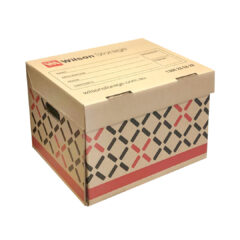
Choosing the right storage box for collectables makes all the difference. Look for boxes that are:
- Acid-free (for paper and fabric items)
- Airtight (to prevent dust and mould)
- Stackable (to maximise space)
- Transparent (for easy identification)
- Sized appropriately for the item
When to Consider a Self-Storage Unit for Your Collectibles
Not everything can—or should—be stored at home. If your collection is growing, space is tight, or the items are valuable, it might be time to consider self-storage.
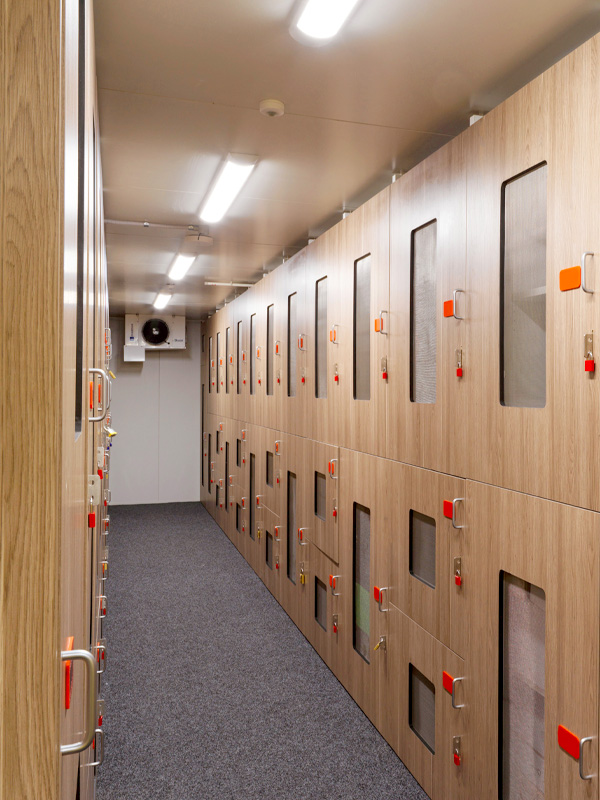
Facilities like Wilson Storage offer 24/7 access, advanced security, and climate control. It’s a safe and convenient way to protect what matters most, without cluttering up your spare room.
Final Thoughts on Protecting Your Valuables
Storing collectibles isn’t just about organisation; it’s about preservation. By combining quality storage containers with the right environment—like a secure, climate-controlled unit—you’ll give your valuables the best chance at a long and protected life.
Explore Wilson Storage’s flexible options here to find the best fit for your needs.
FAQs About Storing Collectibles Safely
How do I keep my collectibles from getting dusty or mouldy?
Keep items in sealed, airtight containers and avoid damp or humid environments. Use silica gel packets and store in a cool, dry place. A climate-controlled storage unit is ideal.
Are plastic containers safe for storing collectibles?
Yes, if they’re made from archival-quality, acid-free plastic. Avoid containers that can trap moisture or degrade over time. Clear, stackable boxes are great for visibility and organisation.
Should I use climate-controlled storage?
Absolutely, especially for temperature- or humidity-sensitive items like records, instruments, or photographs. Climate control helps prevent warping, fading, and mould growth.
Can I store fragile collectibles like porcelain or glass?
Yes, but wrap them individually in bubble wrap or acid-free tissue, and use padded boxes. Label each box clearly and avoid stacking them unless they’re reinforced.
Recent Posts

Industries that Benefit from Self Storage Solutions

How to Prepare Your Motorcycle for Storage

How to Store Furniture: Expert Tips for Long-Term Protection
 Call Us Now
