














Industries that Benefit from Self Storage Solutions
Commercial storage isn’t just a place to stash clutter; it’s become a smart, strategic tool for businesses looking to stay lean, flexible, and efficient. Whether you’re running a bustling online store, a busy trade operation, or a creative studio, storage units offer the adaptability and cost-control that traditional warehousing often can’t match. For many Australian businesses, self-storage has evolved into an essential part of operational planning; a way to optimise space, reduce overheads, and scale smoothly with demand.
Why Businesses Choose Self-Storage Over Traditional Warehousing
In today’s economic climate, agility is everything. Traditional warehouses often lock businesses into long-term leases, fixed sizes, and hefty capital commitments, not to mention limited accessibility. By contrast, self-storage gives businesses flexibility on every front. You can rent the exact amount of space you need for as long as you need it, scale up or down as your operations change, and enjoy far lower overheads.
For growing businesses, this scalability is invaluable. Whether you’re storing a few boxes of promotional material or an entire season’s worth of stock, business storage offers tiered unit sizes that expand or contract with your business cycle.
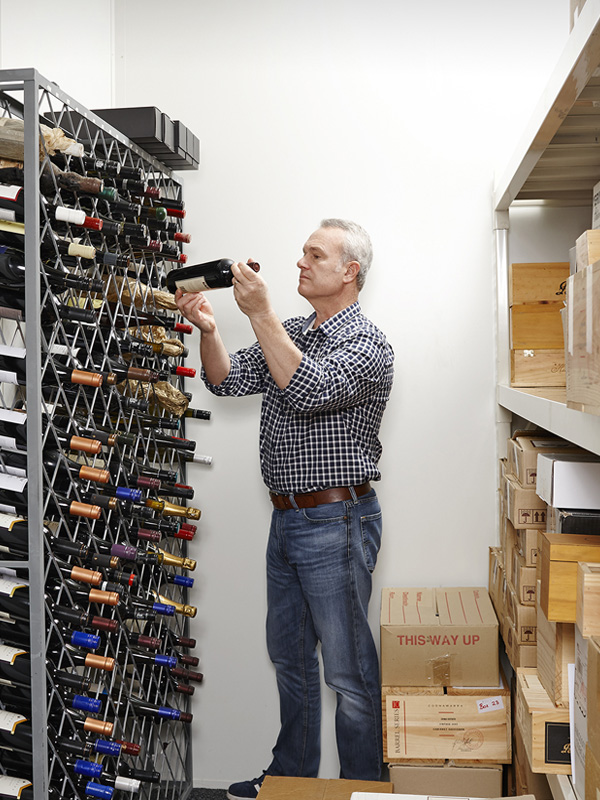
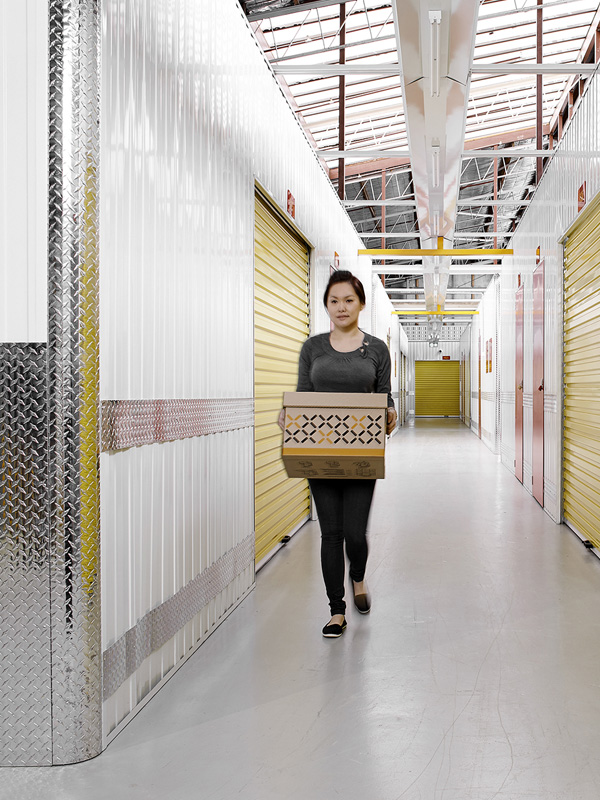
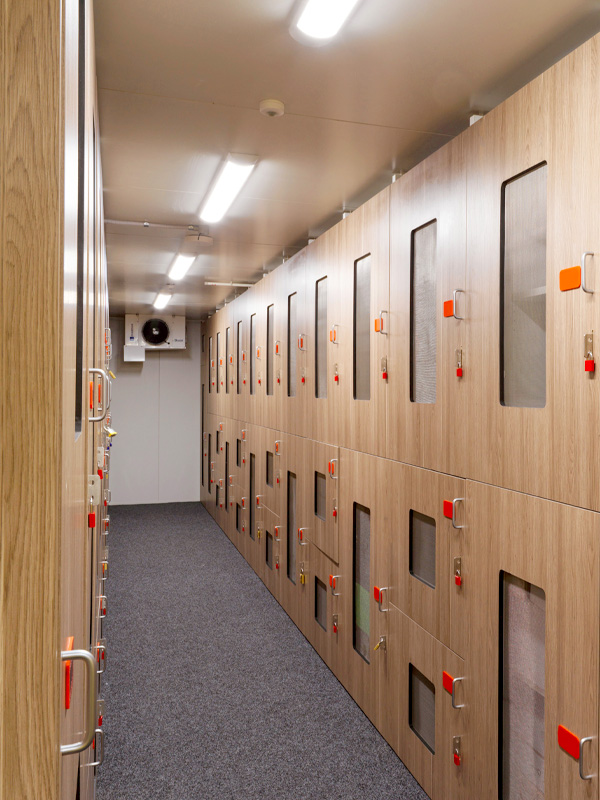
At Wilson Storage, units range from compact lockers to expansive warehouse-style spaces, all backed by 24/7 CCTV surveillance, controlled access, and clean, secure facilities. Climate-controlled options also help protect temperature-sensitive items like electronics, documents, or artworks.
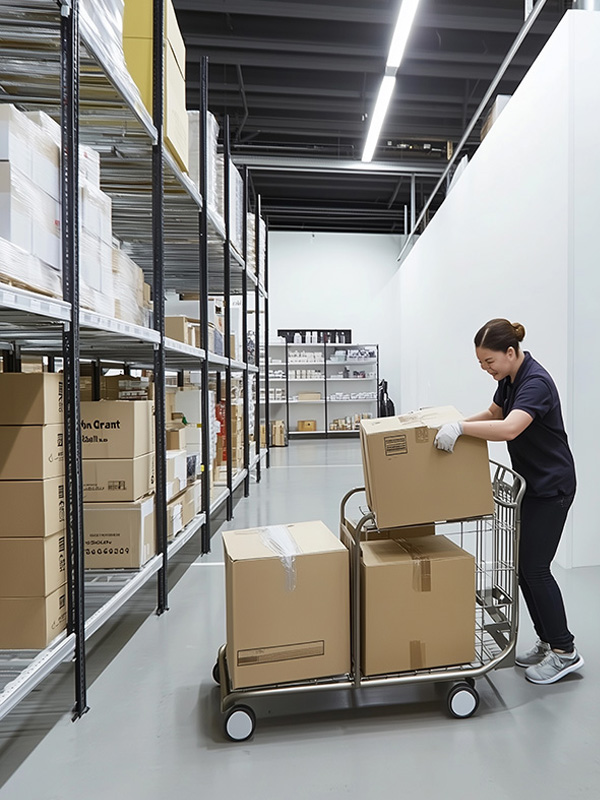
Location is another key advantage. Many of our storage facilities are strategically positioned near major transport routes, making it easier for teams to collect or deliver items without disrupting daily operations. Combined with flexible lease terms and on-site services like forklift assistance and packaging supplies, self-storage becomes an extension of your workspace.
Industry Use Cases for Self-Storage
From e-commerce to trades, almost every sector has its own version of the “space crunch.” Below are some of the most common business use cases for self-storage, and how Wilson Storage helps solve them.
E-commerce & Retailers
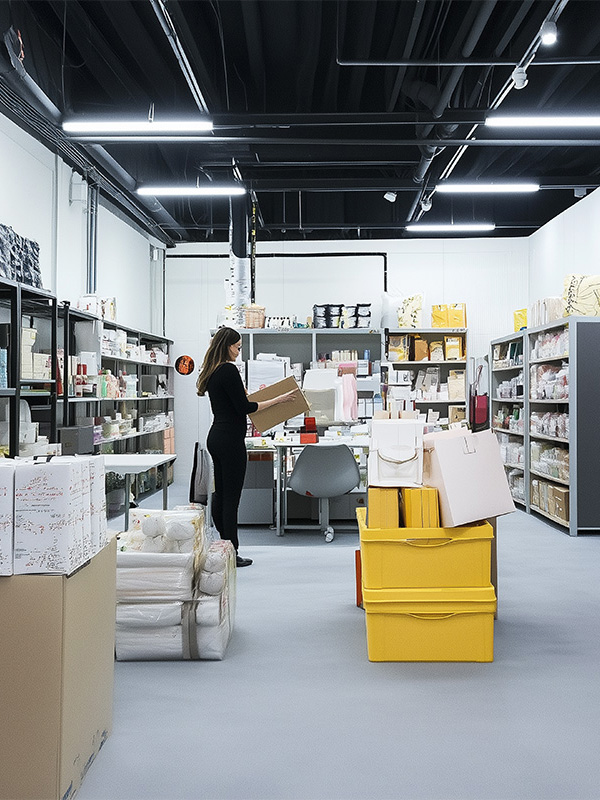
The challenge: Online and brick-and-mortar retailers often juggle unpredictable stock volumes, especially around seasonal peaks, product launches, or end-of-year sales. Overcrowded backrooms and office spaces can make it hard to operate efficiently.
The solution: Self-storage gives retailers room to breathe. Businesses can store excess inventory, promotional items, packaging supplies, or returned goods offsite — freeing up retail or office space for core operations. Many retailers use different units for different product categories or seasons, streamlining inventory management.
Tip:
- Choose a unit close to major transport routes for quick order fulfilment.
- Opt for climate control if storing delicate or perishable goods.
- Keep a digital inventory log to track stock levels remotely.
Trades, Contractors & Equipment-Based Businesses
The challenge: For electricians, plumbers, landscapers, and builders, space and security are ongoing concerns. Tools and machinery are expensive and often too large or risky to keep in a van or at home overnight.
The solution: A self-storage unit offers secure, centralised storage for tools, spare parts, and materials between jobs. It saves daily transport hassle and helps keep vehicles light and efficient. Many tradespeople also use their storage unit as a mini logistics hub, collecting materials in the morning and dropping off equipment in the evening.
Tip:
- Look for drive-up access and wide loading bays for large tools or vehicles.
- Ask about 7 day access to accommodate early starts or late finishes.
- Consider units with strong floor load ratings for heavy equipment.
Media, Archives & Professional Services
The challenge: Professional service firms accumulate years’ worth of client files, records, and promotional materials that must be stored securely yet remain accessible.
The solution: Self-storage allows these businesses to move non-essential or inactive files offsite, reducing office clutter and maintaining compliance with record-keeping obligations. Climate-controlled units keep documents, photographs, or magnetic media protected from moisture and temperature fluctuations.
Tip:
- Use labelled archive boxes and a catalogue system for quick retrieval.
- Opt for facilities with strong access control and CCTV for confidentiality.
- Consider periodic rotation: move older archives offsite and keep current files in-office.
Home Staging, Events & Interior Design Firms
The challenge: Event planners, stylists, and designers handle large volumes of décor, props, and furniture that change with each client or season. Keeping these in the office or showroom quickly leads to overcrowding.
The solution: Self-storage provides a clean, organised environment to store staging materials, furniture, and event displays until they’re needed. It also helps protect items from damage and keeps creative spaces tidy and functional.
Tip:
- Choose units with easy vehicle access for large or fragile pieces.
- Use shelving and protective covers to maximise space and maintain item quality.
- Rotate stock seasonally to keep your collection fresh and relevant.
Manufacturers, Wholesalers & Seasonal Goods
The challenge: Manufacturers and wholesalers face major swings in inventory depending on production cycles and market demand. Over-investing in permanent warehouse space can leave costly gaps during off-peak periods.
The solution: Self-storage bridges those cycles. Businesses can temporarily store surplus inventory, packaging, or raw materials during busy periods, then scale down as demand stabilises. This flexibility keeps costs predictable, meaning production never stalls due to space shortages.
Tip:
- Consider climate-controlled units for goods sensitive to humidity or heat.
- Plan logistics in advance for bulk deliveries to and from storage.
- Evaluate unit height as well as floor space for efficient vertical stacking.
Photographers, Artists & Creative Studios
The challenge: Creative professionals often struggle to balance workspace with storage. Bulky equipment, backdrops, artworks, and prints can overrun home studios or shared offices.
The solution: A self-storage unit offers a safe, controlled environment for both completed works and equipment that’s not in constant use. It helps artists maintain a clutter-free creative space while protecting their valuable pieces.
Tip:
- Opt for climate-controlled units to prevent warping, fading, or mould.
- Use sturdy racks or vertical storage for canvases and frames.
- Keep a catalogue of stored works for exhibitions or client requests.
Key Factors to Evaluate When Choosing a Self-Storage Provider for Business Use
Not all storage facilities are created equal. When comparing providers, businesses should look beyond just cost per square metre and assess which services truly support their operations.
- Security: Look for 24/7 CCTV, alarm systems, and coded gate access.
- Climate Control: Essential for electronics, documents, or artworks, climate-controlled units regulate temperature and humidity to prevent deterioration.
- Location & Accessibility: Proximity to your business or transport routes saves time and fuel. Drive-up access and loading docks are critical for trades or bulk goods.
- Unit Sizes & Lease Flexibility: Choose providers that offer a variety of sizes and the freedom to upsize or downsize as needed.
- Insurance & Handling Services: Ensure your provider offers insurance coverage options and on-site support, like forklifts or trolleys.
- Value-Add Services: Extras like packaging materials, trailer hire, and parcel receipt can make day-to-day logistics much smoother.
How to Integrate Self-Storage into Your Business Workflow
To get the most out of your unit, treat self-storage as part of your operations plan, not just overflow space. Map out your inventory turnover cycles — when goods arrive, when they’re dispatched, and when seasonal shifts occur. Schedule regular pickups and drop-offs so your storage unit stays organised and efficient.
Keep a clear inventory log for all items in storage, with digital or barcode tracking for easy reference. Label boxes and shelves clearly, especially if multiple team members access the unit. For retailers and wholesalers, rotate seasonal goods so older stock moves first. And as your business grows, review your space requirements quarterly. It’s often cheaper and easier to adjust your unit size than to relocate entirely.
Success Stories/Mini Case Studies
A boutique homeware retailer in Melbourne used Wilson Storage to manage overflow stock during the Christmas rush. By shifting a percentage of their seasonal inventory offsite, they reclaimed valuable floor space for customers, resulting in a boost in sales that season.
A local plumbing contractor, meanwhile, cut their daily prep time by 30 minutes after renting a drive-up unit near their main job sites. With secure overnight storage for tools and fittings, their vans now carry only what’s needed each day.
And a Sydney-based event styling company stores hundreds of décor items across two climate-controlled units, keeping their studio organised and ready for client showings. Their rotating inventory system means every item has a home and is easy to find when event season hits.
Final Thoughts
For many Australian businesses, self-storage has become a strategic advantage. It frees up workspace, reduces costs, and offers the flexibility to scale at your own pace. Whether you’re a retailer, tradie, or creative professional, Wilson Storage provides secure, flexible storage solutions for businesses designed to fit your operational needs.
Explore Wilson Storage’s business storage units today, compare unit sizes, or request a quote to see how simple it can be to make space for your business to grow.
Recent Posts

How to Prepare Your Motorcycle for Storage

How to Store Furniture: Expert Tips for Long-Term Protection

How to Store Winter Clothes: Tips and Tricks for Long-Term Protection
 Call Us Now
