











How to Choose the Right Storage Unit Sizes
If you’ve ever tried to visualise what fits inside a storage unit, you’ll know it’s not always intuitive. A 10×10 might sound generous, but once you add a couch, a mattress, and a few dozen boxes, the space fills up quickly. It’s not just about the floor area, either. Awkward shapes and fragile items also affect how much room you’ll need. Choosing the right size means thinking beyond dimensions and focusing on how your belongings translate into usable space, especially if you want to keep things accessible once they’re in storage.
Why Choosing the Right Storage Unit Size Matters
Different sizes of storage units are priced accordingly, so choosing the wrong one can hit you in two ways:
- Too big: You pay for air. That extra space adds up over weeks and months, especially if you don’t actually need it.
- Too small: Boxes get crushed, furniture gets wedged in, and suddenly you can’t reach anything without unloading half the unit.
The right size gives you the best of both worlds: cost efficiency and usability. You’ll pack it properly, protect your belongings, and still leave enough room to access everything.
How to Estimate the Storage Space You Need
Start by thinking in categories, not individual items. Most people underestimate the space taken up by things like odd-shaped furniture, appliances, bulky bags, and fragile items that need breathing room.
1) Make a quick item list (by zones)
Break your home or workspace into zones and list the larger items first. Here’s an example:
- Living room: couch, TV unit, coffee table, rugs
- Bedrooms: mattress, bed frame, drawers, bedside tables
- Kitchen: boxes, small appliances, chairs
- Garage/shed: tools, bikes, sports gear, storage tubs
- Business: archive boxes, stock, equipment, shelving
2) Count boxes realistically
People often say “we don’t have many boxes”… and then end up with 30. As a rough guide:
- A single bedroom can become 10–20 boxes
- A small apartment might land around 20–40 boxes
- A family home can easily reach 40–80+ boxes, depending on storage habits
If you’re still packing, it’s worth checking out our Box Shop for size options.
3) Factor in bulky and awkward items
These are the space-eaters:
- Mattresses and bed frames
- Sofas (especially corner lounges)
- Fridges/washing machines
- Bikes, prams, gym equipment
- Outdoor furniture and large tubs
4) Decide how often you’ll need access
If you’re storing items short-term and won’t visit again until move-out day, you can pack more tightly. If you’ll be grabbing things regularly, plan for:
- A walkway (even a narrow one helps)
- Frequently accessed items near the front
- Labels facing outward
5) Allow a little “buffer space”
A good rule is 10–20% extra space if:
- You’re still packing and not fully sure on box count
- You want access aisles
- You’ll add items later (seasonal storage, renovations, business stock)
Storage Unit Size Guide
Here’s a storage unit size chart to help you visualise some common storage unit sizes. (These can vary between facilities, so double-check the specific dimensions of your provider’s units).
| Approx. Dimensions (m) | Approx. Area (sqm) | Best for (typical use cases) |
| 1.5 x 3.0 | ~4.5sqm | Wardrobe. A few boxes, small furniture, seasonal items, sports gear |
| 2.0 x 3.0 | ~6 sqm | 1 Bed Home. Studio apartment items, small mattress, bikes, 15–30 boxes |
| 2.5 x 4.0 | ~10 sqm | 2 Bed Home. Appliances, furniture sets, 30–60 boxes |
| 3.0 x 6.0 | ~18 sqm | 3–4 Bedroom Home. garage contents, business storage, large furniture |
Small units (4.5sqm to 6sqm)
Think: walk-in wardrobe to small spare room.
These are ideal for:
- Decluttering (seasonal clothes, kids’ gear, holiday décor)
- Apartment overflow storage
- Small business archives (if you’re using uniform boxes)
A small storage unit is great if you’re stacking boxes; a slightly larger unit gives you room for a narrow aisle and longer items like shelves or a bike.
Medium units (6sqm to 20sqm)
Think: average bedroom or half a single garage.
Great for:
- Contents of a 1–2 bedroom home
- Moving or renovating when you need to store furniture temporarily
- Keeping larger items protected (mattress, couch, dining set)
A medium storage unit often fits a queen mattress set, a couch, a dining table, a couple of tallboys, plus neatly stacked boxes (especially if you pack vertically).
Large units (20sqm and up)
Think: single garage (or more).
Best for:
- Full household moves (3–4 bedrooms)
- Renovations where most rooms are being cleared
- Business stock storage, shelving, and equipment
Types of Storage Units and How They Affect Size Choice
Not all storage units look or feel the same size once you start loading, because access and environment change how you pack.
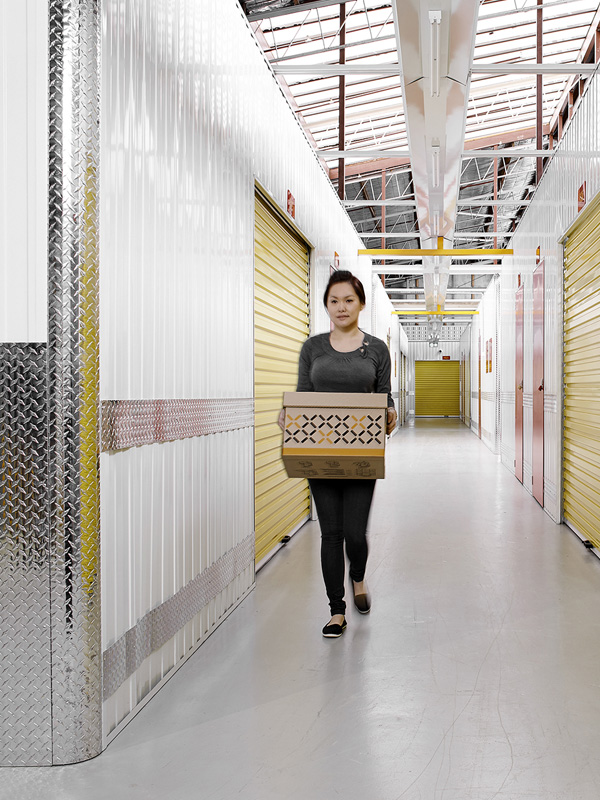
- Indoor units: Often easier to keep clean and stable. Good for boxes, furniture, and items you want protected. Hallways and elevators may influence how you move items in.
- Outdoor units: Handy for quick loading/unloading, but you might pack differently depending on exposure and access.
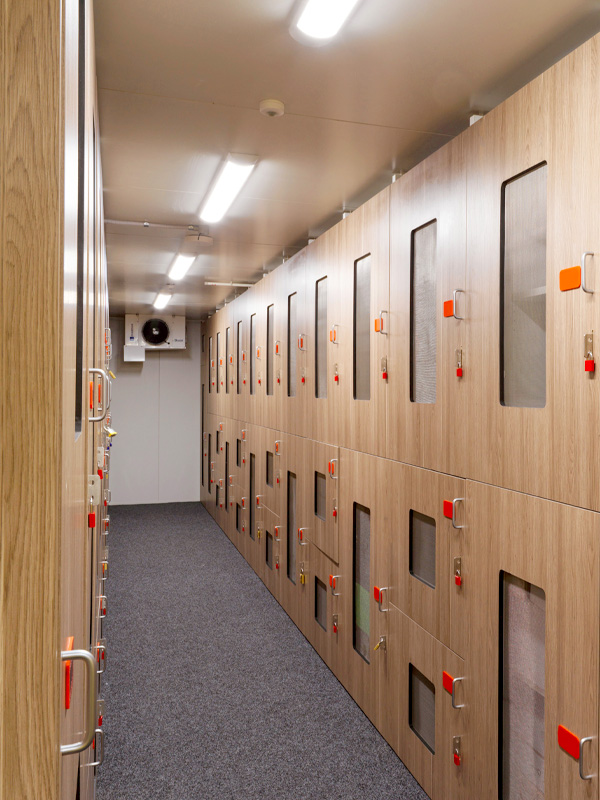
- Climate-controlled units: Better for temperature-sensitive items (electronics, documents, timber furniture, photos). You may choose a slightly smaller unit here if you’re storing fewer “garage-type” bulky items and more stackable cartons.
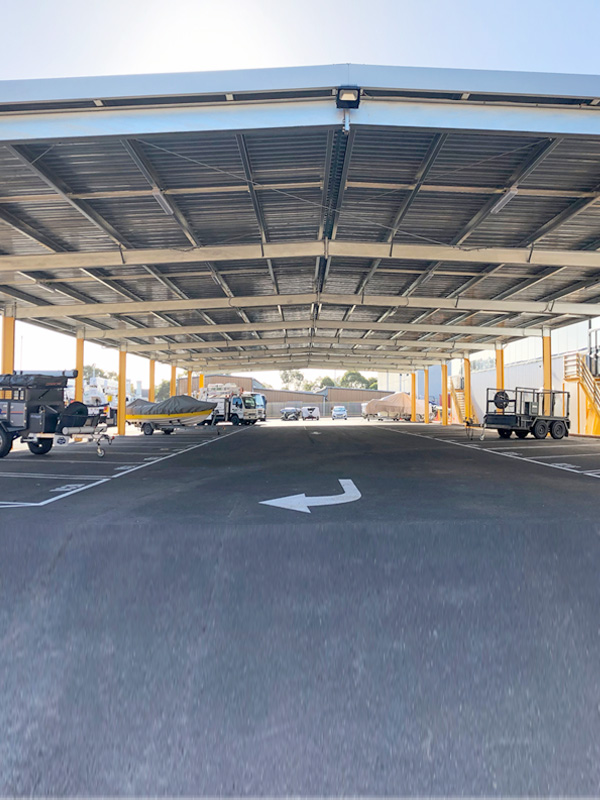
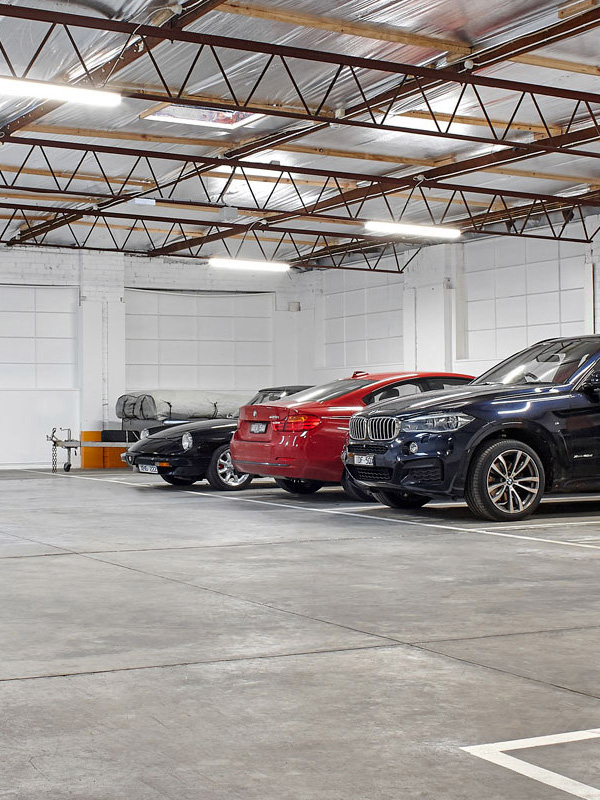
- Drive-up units: Big advantage for convenience. If you’re storing heavy or awkward items, drive-up access can make a medium unit feel more usable.
How Storage Unit Size Affects Cost
Pricing usually rises with size, but the best value isn’t always the smallest option. Consider:
- Cost per sqm often improves as units get larger
- Access needs can justify upsizing (a tight unit might cost less, but can be frustrating if you need to retrieve items)
- Duration matters: If you’re storing long-term, a correctly sized unit saves money month after month. If it’s short-term, the convenience of a bit more space may be worth it.
Storage Unit Sizes for Different Use Cases
Moving house
- Studio / small apartment
- 1–2 bedroom
- 3–4 bedroom
Renovations
Renovations are tricky because you often need:
- Furniture out of rooms
- Boxes from cupboards
- Space to access tools/items mid-project
Decluttering
If you’re decluttering (not moving), smaller units work well:
- Studio / small apartment
- 1–2 bedroom
Business storage
Businesses tend to benefit from:
- Standardised box sizes (easy stacking)
- A walkway for picking items
- Room for shelving
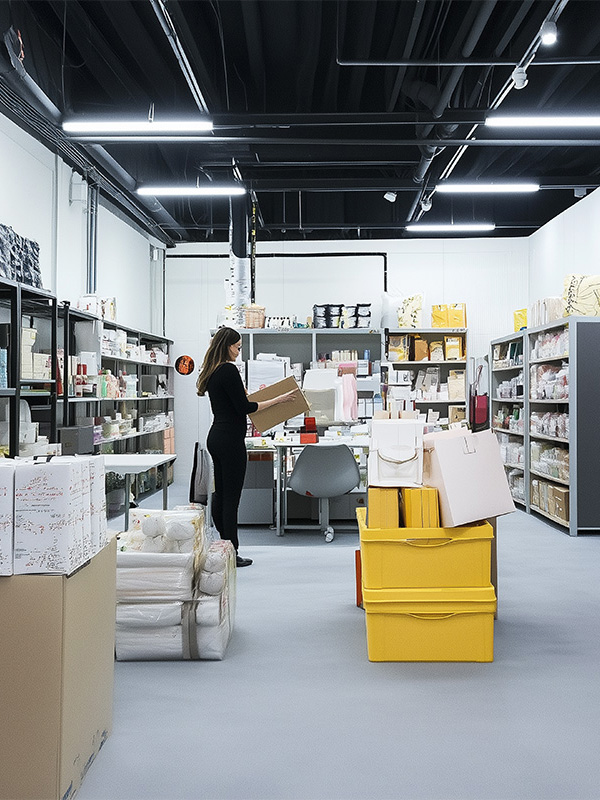
Business storage units are often designed to maximise the storage of archives, stock, or equipment.
How to Pack and Arrange Your Storage Unit Efficiently
A unit that’s packed well can feel like you gained extra square metres.
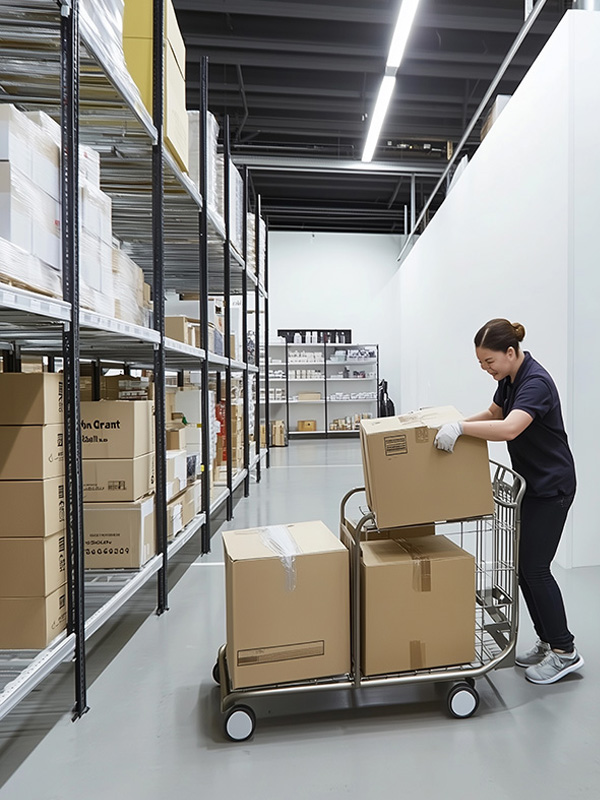
- Go vertical: Stack sturdy boxes, use uniform carton sizes, and place heavier boxes at the bottom.
- Disassemble what you can: Bed frames, tables, shelves—flat-pack saves space.
- Use furniture as storage: Fill drawers and cabinets with soft items (linen, clothing) to reduce box count.
- Create zones: “Access first” items at the front, long-term items at the back.
- Leave a narrow aisle: Even 40–60 cm can make a difference.
Common Mistakes When Choosing Storage Unit Sizes
- Underestimating box volume (especially kitchen and books)
- Forgetting odd-shaped items (bikes, rugs, outdoor settings)
- Packing with no access plan (fine for long-term, painful for frequent visits)
- Assuming all 10×10 units “feel the same” (access type and ceiling height can change usability)
- Not allowing a buffer when you’re still packing or mid-reno
How to Choose Between Two Storage Unit Sizes
If you’re torn between two sizes, use these quick rules:
Choose the smaller unit when:
- You’re storing mostly boxes and stackable items
- You won’t need access until move-out
- You can disassemble furniture and pack vertically
Choose the larger unit when:
- You need an aisle to access things
- You have bulky furniture or appliances
- You’re still packing and uncertain on volume
- You’re storing for a renovation and may add items later
If the smaller size would require perfect packing, it’s usually safer (and less stressful) to go up one size.
Not Sure Which Storage Unit Size You Need?
If you’re still unsure, keep it simple:
- Write a quick item list (big items + estimated box count)
- Compare your list to the chart above
- Re-check the storage unit size guide once you’ve finished packing boxes
If you’re still confused, reach out to us and we’ll walk you through your best options.
Frequently Asked Questions
Can I Change My Storage Unit Size After Moving In?
Often, yes. Many facilities allow you to upgrade or downsize depending on availability. It’s easiest if you keep items organised so a move between units is straightforward.
How Much Extra Space Should I Allow In A Storage Unit?
If you want access, plan for 10–20% extra. If it’s long-term storage with no visits, you can pack tighter with less buffer.
Do I Need To Visit A Storage Facility Before Choosing A Size?
Not always, but it can help, especially if you’re storing bulky items or you want to see ceiling height, access points, and whether drive-up access would change how you pack.
What Items Take Up The Most Space In Storage Units?
Sofas, mattresses, bed frames, large appliances, bikes, outdoor furniture, and anything awkwardly shaped that can’t be stacked easily.
How Do I Know If I’ve Chosen A Storage Unit That’s Too Small?
If you can’t safely stack items, you’re crushing boxes, or you’ve lost access to items (or the door barely closes), it’s a sign you need to size up or repack with a better layout. You can also speak with our team for professional advice on our storage solutions.
Recent Posts

Living In Small Spaces

Caravan Storage: How to Find the Right Facility Near You

Industries that Benefit from Self Storage Solutions
 Call Us Now
